


No Data Entry – Saves 60% of Time!
Automate Accounting, Focus on What Matters Most
Cut out tedious accounting tasks, minimize errors, and keep accurate records.
+4K
Served Businesses
+2M
Monthly Transactions
4.7★
Excellent Customers Review

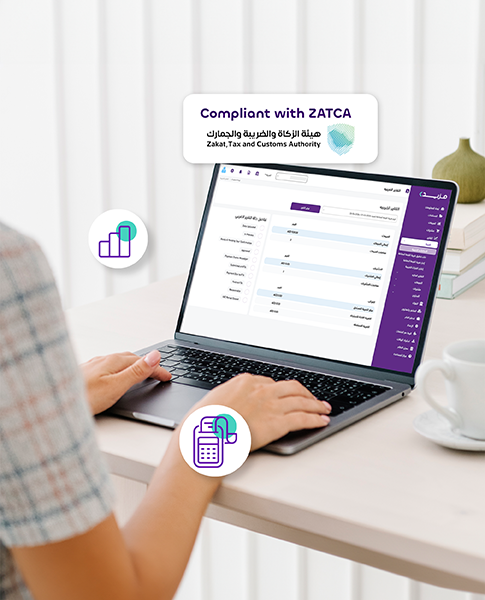
Compliant with ZATCA
Official Partners










Accounting & Bookkeeping Services!
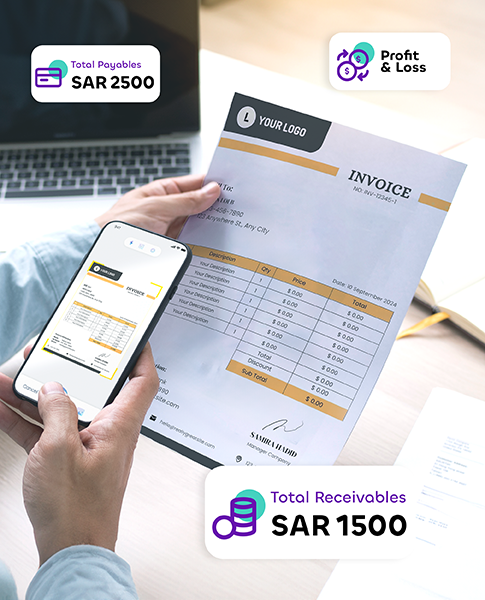
Just Scan & Relax – No Manual Entry
Simply scan your invoices and our platform will extract data and automate your entire accounting process – supported by certified accountants and tax agents.
Download our mobile application by mazeed


Work Less, Achieve More!
Automate Your Accounting Cycle

Less Time on Finances, More on Business
Enjoy automatic recording of daily transactions and avoid human errors—no data entry needed.
Pay the Right Amount of Tax
Get precise expense calculations and discover all deductions and allowances to minimize your tax bill.
Secure Your Financial Future
Keep your cash flow steady and boost business health with smart financial planning. Avoid surprises and stay ahead of potential issues.
Understand Your Business Performance
Access real-time reports anytime, anywhere to see how your business is performing now and take decisions on the fly.
data-driven decisions on the go with instant financial insights.
Protect Your Business
Stay compliant with all legal requirements, keep records for 7 years, never miss a deadline, and get expert support during audits.
Very Quick & Easy!
How We Work?

1. Create Your Account
Create your account for automated financial management.

2. Personalize Your Account
Set up your account and personalize your financial management workflow to fit your business needs.

3. Scan/Share Your Daily Invoices & Receipts
Our platform captures data from your shared invoices, receipts, and financial documents, automating compliance from record-keeping to tax return preparation.

4. Check Your Financial Reports
Access real-time financial reports, statements, and insights from a single dashboard. Pretty Simple, huh?
Enjoy Local Support!
We assign you a charted accountant you can contact anytime for daily guidance
Easy Integrations
Connect, Automate, Achieve Compliance
Connect your eCommerce store, POS, or bank account with mazeed and automate your accounting and tax cycle.












Ensure Full Compliance!
Beyond Accounting & Bookkeeping, - We Provide:
Tax & Zakat Services
Help business owners get ready for Taxes and Zakat ahead of time.
Learn more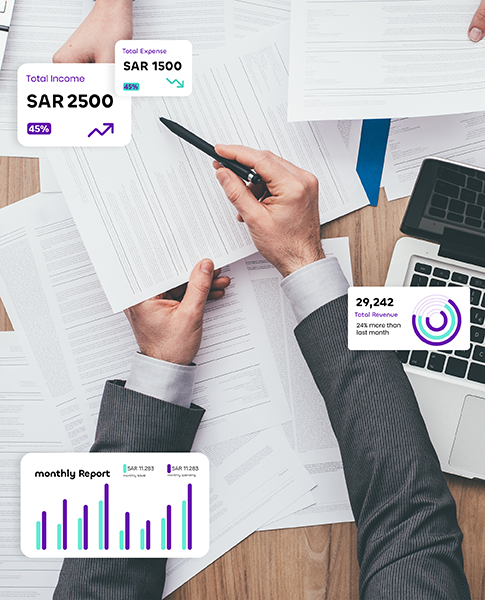
CFO Services
Help businesses create expert planning and budgeting for their business.
Learn more
Ready to Automate Your Finances?
Get Started Today!Frequently Asked Questions
Quick answers to your most common queries
Saudi Arabia primarily follows the International Financial Reporting Standards (IFRS). This aligns with the global trend towards harmonization of accounting standards.
• Arabic Language: All accounting records must be kept in Arabic.
• Retention Period: Financial records should be retained for at least 5 years.
• Chart of Accounts: Companies must use a standardized chart of accounts approved by the Ministry of Commerce.
• Electronic Records: Electronic records are generally accepted, but there might be specific regulations regarding their storage and security.
• Corporate Tax: Saudi Arabia has implemented a corporate tax system. The specific rates and thresholds may vary.
• Value Added Tax (VAT): VAT is applicable to most goods and services in KSA. Businesses must register for VAT if their annual revenue exceeds a certain threshold.
• Withholding Tax: Withholding tax may be applicable on certain types of payments, such as salaries and dividends.
• Annual Financial Statements: Companies are generally required to prepare annual financial statements, including a balance sheet, income statement, cash flow statement, and notes to the financial statements.
• Auditing: Larger companies may be required to have their financial statements audited by an independent auditor.
• Submission to Authorities: Financial statements and related reports may need to be submitted to relevant government authorities, such as the Ministry of Commerce or the Zakat, Tax and Customs Authority in KSA.
• Foreign Investment Law: Foreign investors should be aware of the specific regulations governing foreign investment in KSA, including restrictions on certain sectors and ownership limits.
• Accounting Standards: Foreign investors may need to comply with local accounting standards in addition to any international standards they are accustomed to.
• Tax Implications: The tax treatment of foreign investors may differ from that of domestic entities.
• Expertise: Look for a firm with expertise in local accounting standards, tax regulations, and industry-specific requirements.
• Experience: Consider a firm with experience working with foreign investors or businesses operating in similar sectors.
• Reputation: Check the firm’s reputation and track record in the market.
• Language: If you are not fluent in Arabic, ensure the firm has staff who can communicate effectively in your language.
Get Your Free Consultation
Our experts will answer your concerns about the accounting and taxation landscape with the best strategies to ensure compliance and success.